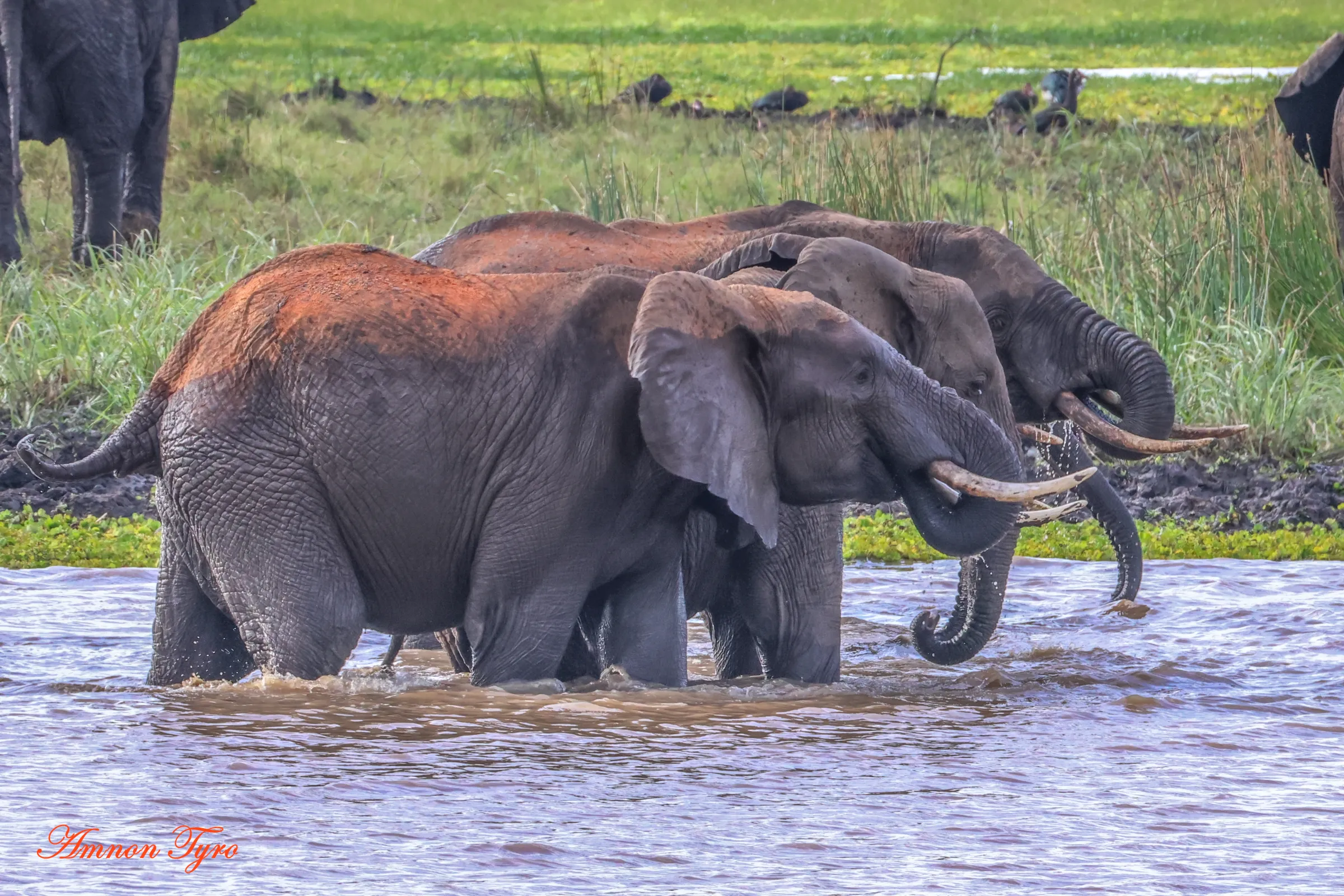
Tarangire is routinely described as an elephant park, and the description undersells it — from roughly June through October, the Tarangire River becomes one of the most reliable places in East Africa to watch genuinely large elephant herds at close range, sometimes fifty or more animals moving together.
The reason is straightforward hydrology. Much of the surrounding landscape's seasonal water sources dry up completely once the rains stop in May, while the Tarangire River — fed by a larger catchment and partly spring-supported — keeps running through the dry months. Elephant herds, which need to drink daily and travel in matriarch-led family groups, gradually concentrate along the river as the dry season progresses, with numbers building noticeably from June and peaking around August and September.
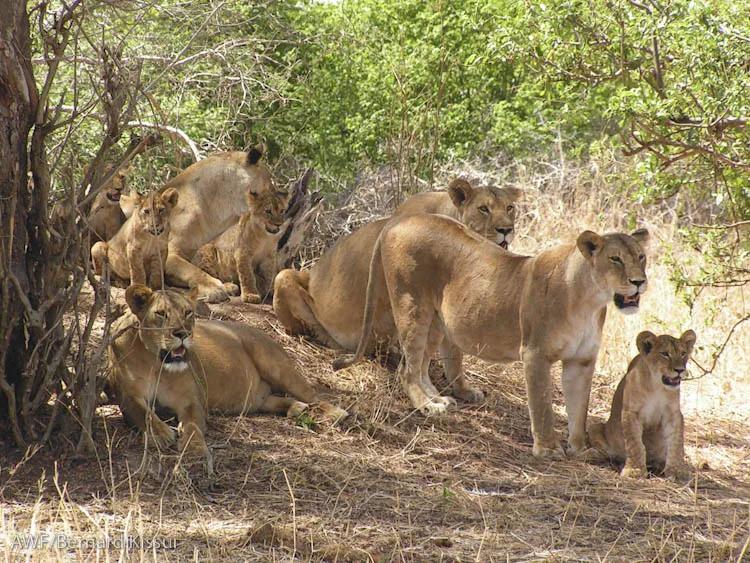
This isn't unique to elephants — Tarangire's dry season sees the highest overall wildlife density of the year, as impala, zebra, buffalo and the predators that follow them all make the same calculation the elephants do. But the elephant concentrations are the park's signature, and they're visibly different in character from anywhere else on the northern circuit: multi-generational family herds, calves shepherded between adults, and the kind of unhurried, resource-secure behaviour that only shows up when water isn't a daily gamble.
Outside this window the picture changes substantially. From November, once the rains return, water sources reopen across the wider landscape and elephants disperse over a much larger range — sightings become smaller and less predictable, though the park itself is still worthwhile for birding and general game viewing. If elephant density specifically is the priority, we book Tarangire for June through October and say so plainly; if you're visiting in the wetter months, we set expectations accordingly rather than oversell a park that behaves very differently depending on when you arrive.
Tell us your dates and interests and a specialist in our Arusha office will send back a real, priced trip — not a brochure.
Request a proposal