
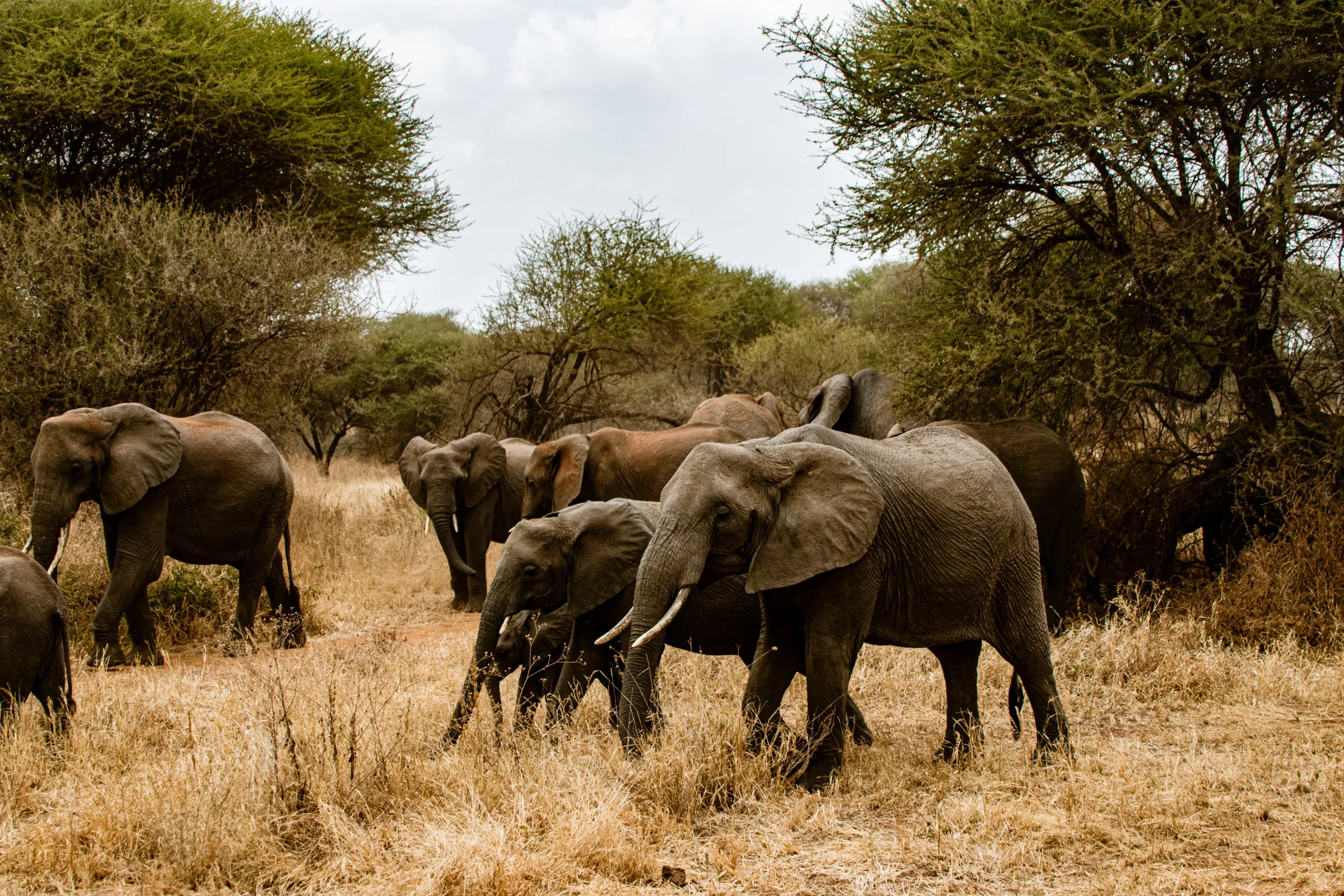
Tarangire is the least crowded of the northern circuit's headline parks, and often the most visually distinctive: ancient baobabs stand across dry, golden grassland cut by the Tarangire River, which becomes the dry-season lifeline for the park's wildlife. It's frequently the first stop on our itineraries, both because it sits closest to Arusha and because it's a gentler introduction to safari before the bigger crowds of the Serengeti and Ngorongoro.
The park's reputation rests on elephant — herds numbering in the dozens gather along the river in the dry months, in some of the highest concentrations anywhere in Tanzania. Beyond elephant, Tarangire is a genuinely excellent birding park, with well over 500 recorded species across its riverine, swamp and acacia habitats.
- —The highest elephant concentrations on the northern circuit, especially June–October
- —Iconic baobab-studded scenery unlike anywhere else on a typical Tanzania itinerary
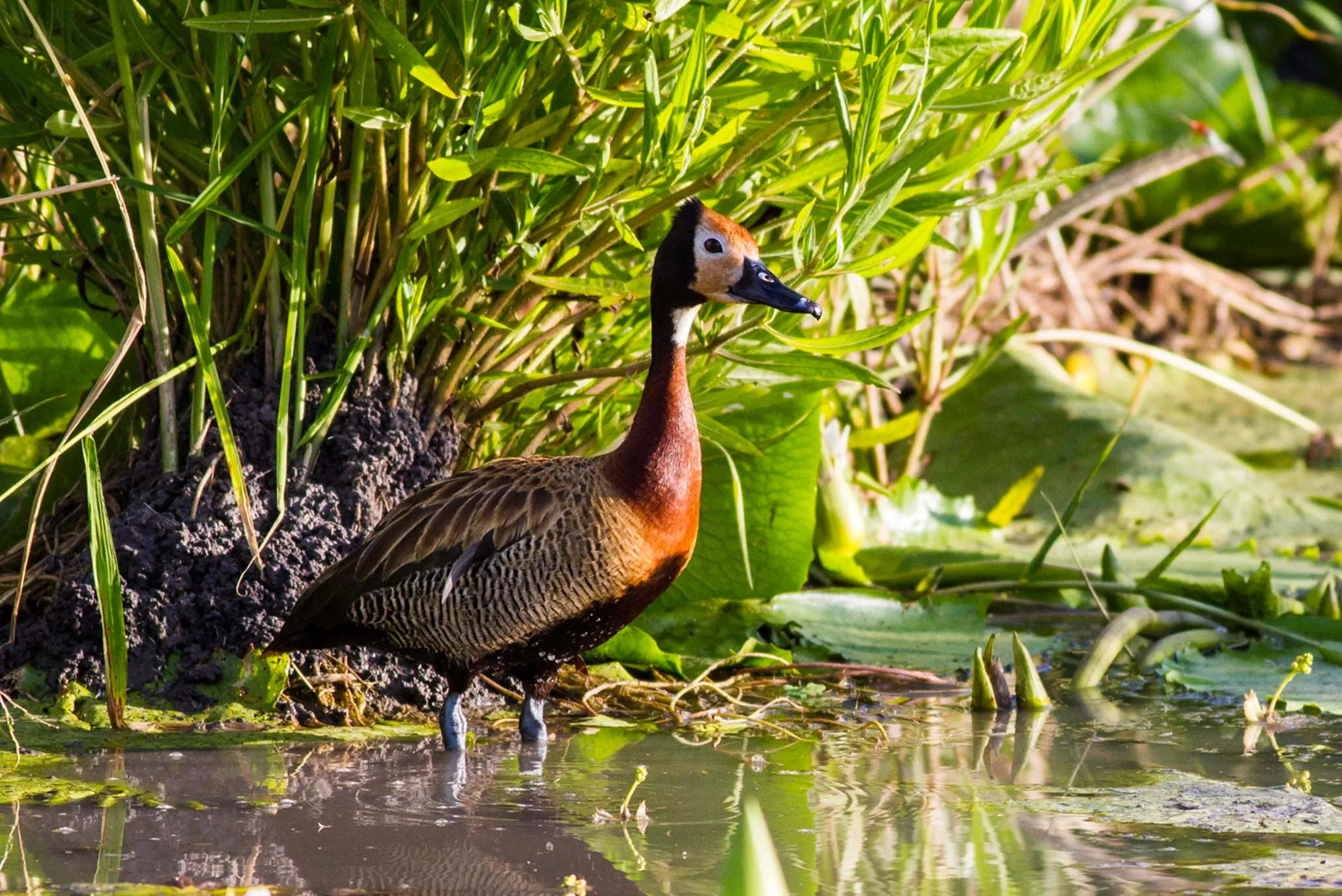
- —Outstanding birding — over 500 recorded species across river, swamp and woodland habitat
- —Noticeably quieter than the Serengeti or Ngorongoro, even in peak season
Wildlife & landscape
- —Elephant — large dry-season herds along the Tarangire River, some of the biggest gatherings in the country
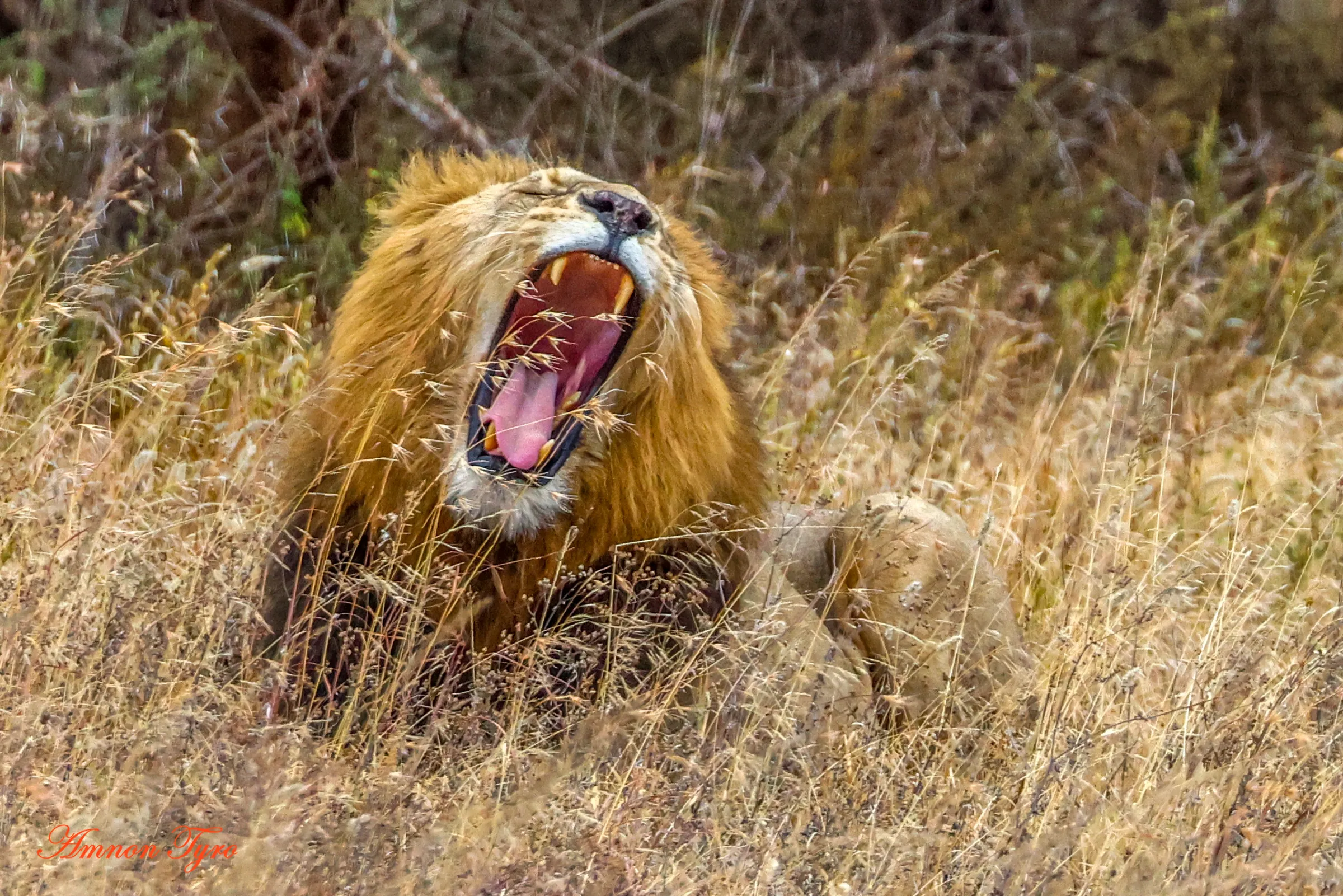
- —Lion and leopard — present in good numbers, including lions known locally for occasionally climbing trees
- —Fringe-eared oryx and gerenuk — species seen here more reliably than almost anywhere else on the circuit
- —Baobab-nesting birds and swamp specialists across the park's varied habitat
Signature experiences
Between June and October, positioning along the Tarangire River at the right time of day can put you among elephant herds numbering in the dozens — the park's signature sighting.
Tarangire is one of the parks where a guided walk with an armed ranger is possible outside the main game-drive circuits — a slower, quieter way to take in the baobab landscape.
The Silale and Gursi swamps hold water even in the dry season and draw a concentration of waterbirds alongside the mammals — worth a dedicated stop for anyone with an interest in birds.
Best time to visit
Jan — Warm and mostly dry; elephants more dispersed after rain.
Feb — Good general game viewing, quieter than the dry-season peak.
Mar — Rains arriving; wildlife spreads out across the park.
Apr — Wettest month; lush scenery, thinner wildlife concentrations.
May — Rains easing, landscape green, birding excellent.
Jun — Dry season begins; elephant herds start converging on the river.
Jul — Large elephant gatherings along the river.
Aug — Peak elephant concentrations of the year.
Sep — Still peak dry season; excellent river-side viewing.
Oct — Dry season tapering; elephant numbers still very high.
Nov — Short rains begin; herds start dispersing again.
Dec — Green and quiet, good value, less concentrated wildlife.
Tarangire is around two hours' drive from Arusha, making it the most convenient park to visit on the way in or out of a longer safari — most of our itineraries use it as the first or last stop rather than a dedicated flight destination.
One or two nights is typical, usually as part of a longer circuit rather than a standalone trip. Serious birders or anyone visiting in peak elephant season (June–October) sometimes prefer two full days to work the riverfront properly.
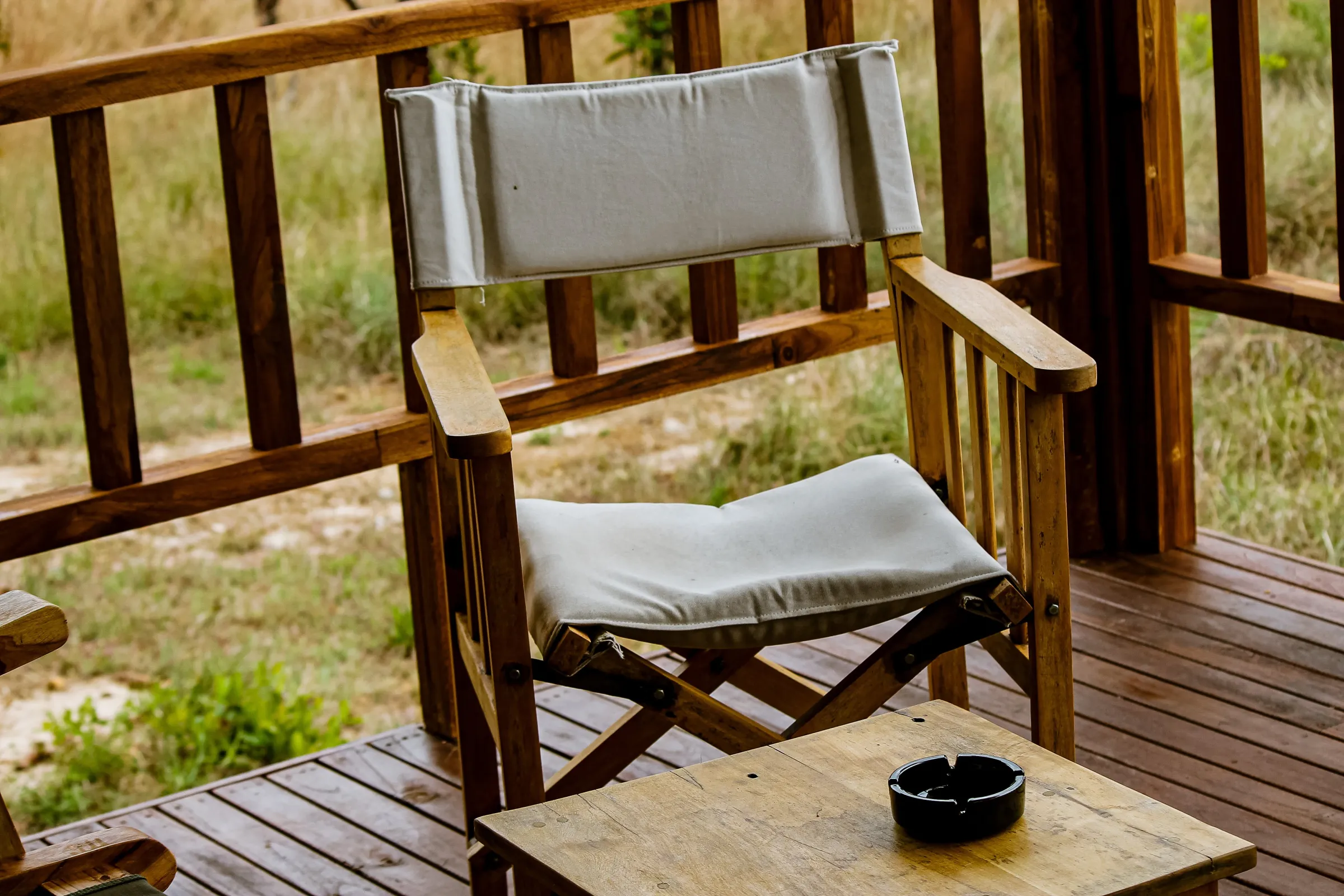
Options range from public campsites through to mid-range lodges overlooking the river valley and a handful of more exclusive tented camps deeper in the park, away from the main circuit — see our lodges and camps page for the tiers we book. See our lodges and camps.
Wakali trips featuring Tarangire National Park
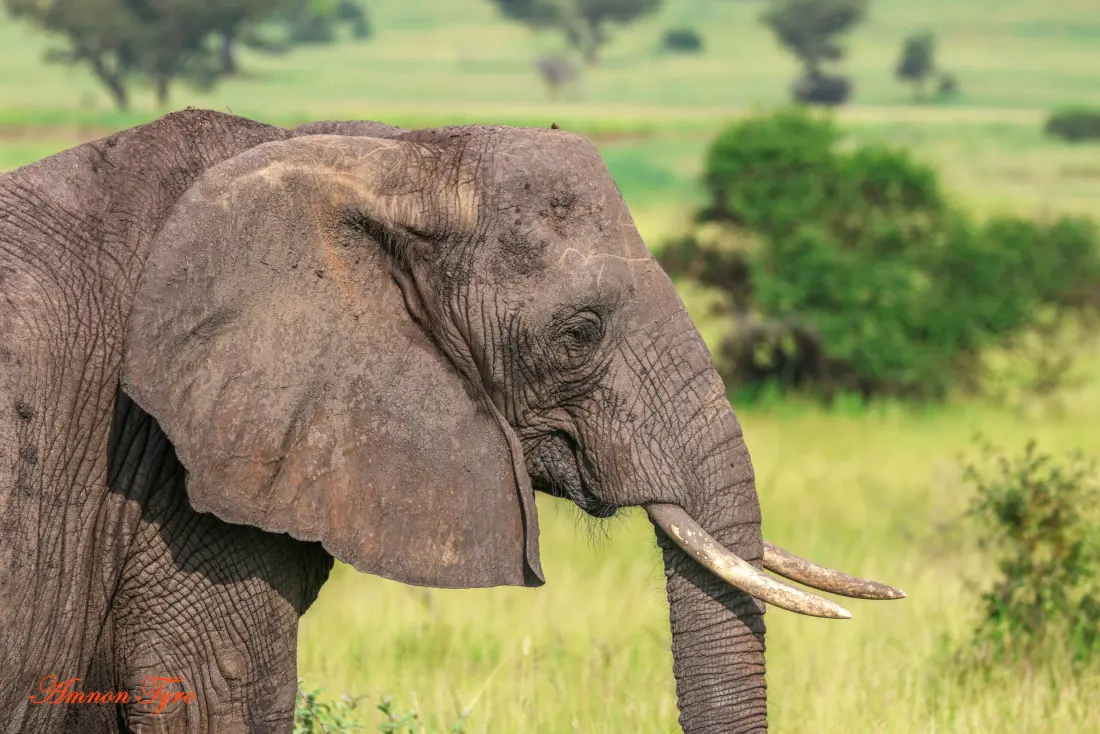
The full northern circuit at an unhurried pace, in high-end lodges and luxury camps.
Luxury lodges, a flight to the coast, and nothing at all to organise in between.
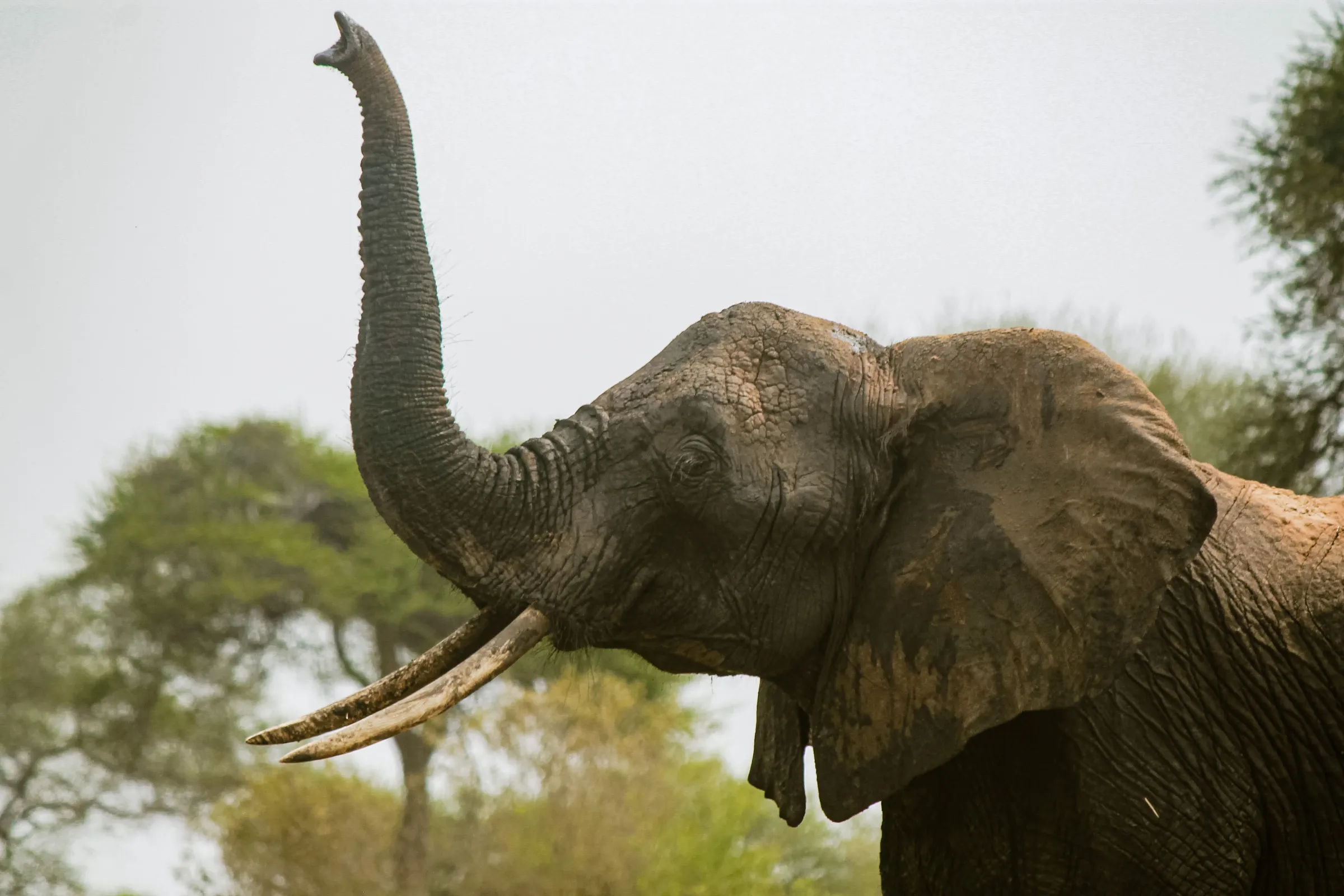
The shortest trip that still feels like a real safari — baobabs, elephants and the crater floor.
Three parks, comfortable lodges, and a full day inside the Ngorongoro Crater.
The classic northern route, with two nights in the Serengeti to make the distance worth it.
Public campsites and a full crew, for travellers who would rather spend the budget on days than on thread count.
Nearby destinations
Travel tips
- —Visit June–October if elephant herds are the priority — the rest of the year they disperse across a much wider area
- —Bring binoculars if you have any interest in birding — this is one of the circuit's strongest parks for it
- —It's a good first stop for adjusting to safari routine before the longer days in the Serengeti
- —Malaria risk is present here as elsewhere on the circuit — anti-malarials are recommended
Frequently asked questions
Yes, especially June–October — it's close to Arusha, so it doesn't cost you a travel day, and the elephant sightings in the dry season rival anywhere else in the country.
No — it's consistently one of the quieter parks on the circuit, even in the July–October peak, which is part of its appeal.
Tell us your dates and interests and we'll write back with a real itinerary, priced and ready to change.